 Listicle
9 Best French Sweet Treats to Try in 2026
Quick Summary
French sweet treats range from fresh desserts like crème brûlée and éclairs to shelf-stable confections like nougat and calissons. Regional specialities such as kouign-amann in Brittany and calissons from Aix-en-Provence show how much the category varies. Shelf-stable sweets travel best when you buy them online.
- Crème brûlée is a baked custard with a caramelised sugar top.
- Nougat de Montélimar is protected by a geographical indication.
- Calissons are made from ground almonds and candied melon under royal icing.
- Kouign-amann stales quickly, so buy it the day you plan to eat it.
- Pastries and custards are usually best bought from a bakery, not by post.
Table of Contents
- What Counts as a French Sweet Treat?
- Classic French Desserts Worth Trying First
- Regional French Desserts and Their Local Variations
- Tarts, Cakes and Layered Pastries: Tarte Tatin, Mille-Feuille and Opéra
- French Sweets to Buy Online and Sample at Home
- French Treats to Bring Home as Gifts and Dietary Notes
- Pick Your First French Treat and Order a Mystery Box
- Frequently Asked Questions
What Counts as a French Sweet Treat?
Most people picture a croissant or a macaron when they think of French sweets, but the category of french sweet treats is wider than that. A French sweet treat is any confection, pastry or dessert with French roots, whether it is made in a Parisian pâtisserie or sold in a supermarket in Lyon. Some are centuries old, others are modern takes on classics, and a few are simply regional specialities that never travelled far.
The useful dividing line is between desserts meant to be eaten fresh, like crème brûlée or a warm crêpe, and confectionery that keeps, like nougat, calissons or soft caramels. That split matters when you buy online, because a custard tart will not survive a week in the post. Keep it in mind as you read the list below.
Classic French Desserts Worth Trying First
These are the names that turn up on nearly every guide to French sweets, and for good reason. Start here if you want the benchmark flavours of french sweet treats before you branch out.
Crème Brûlée and Custard Desserts
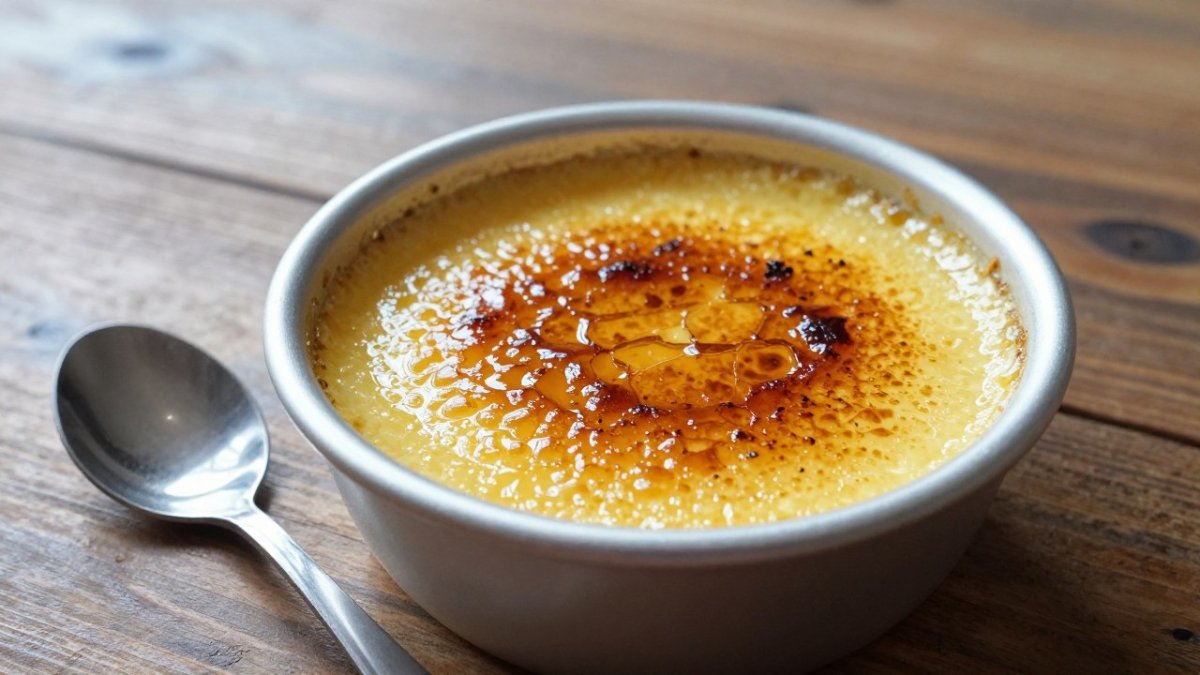
Crème brûlée is a baked custard with a thin, brittle layer of caramelised sugar on top. The contrast between the cool, silky centre and the crack of the sugar is the whole point. Many restaurants serve it in a shallow ramekin, but a well-made version should still feel rich rather than heavy.
Watch out for versions that taste mostly of sugar. A good custard relies on vanilla and egg yolk, so the flavour should be creamy first and sweet second.
Crêpes Sucrées and Éclairs
Sweet crêpes are thin pancakes, usually dressed with butter and sugar, lemon, or chocolate spread. They are simple, which is exactly why a well-made one is memorable. Éclairs are long choux pastries filled with crème pâtissière and topped with chocolate or coffee icing. The shell should be crisp outside and light inside, never soggy.
Regional French Desserts and Their Local Variations
France is regional in its cooking, and many sweets are tied to a single town or province. Knowing the origin helps you choose, because a Breton pastry will taste different from a Provençal confection, and the local version is usually the one worth seeking out. The map below groups the most useful examples by region, with the ingredient or technique that makes each one distinctive.
Brittany and the north-west
Kouign-amann is the benchmark: a laminated dough enriched with butter and sugar, baked until the edges caramelise. It should be crisp outside and soft, almost custardy, within. A good one tastes of salted butter first and sugar second. Far Breton is a set custard tart studded with prunes, denser than crème brûlée and usually served in wedges. Watch out: kouign-amann stales quickly, so buy it the day you plan to eat it.
Normandy
Normandy is apple country, so tarte Tatin and apple-based desserts are common, often made with butter and cream rather than oil. The local version of a simple apple tart will usually taste richer than a Parisian one because of the dairy.
The south-west
Pastis land, but also prune and walnut territory. Agen prunes appear in cakes and confections, and walnut tarts are common. The south-west also has a strong tradition of preserved fruit, which travels better than fresh pastry.
Provence and the south-east
Calissons from Aix-en-Provence are diamond-shaped sweets made from ground almonds and candied melon, topped with royal icing. They should be chewy, not dry, and taste of melon rather than marzipan. Nougat from Montélimar is the other anchor: a chewy or brittle confection of honey, sugar, egg white and almonds or pistachios. The Montélimar version is protected by a geographical indication, so the name on the label tells you something about origin and method.
The Alps and the east
Alpine sweets lean on honey, nuts and dried fruit because fresh dairy was historically harder to keep. Look for honey-based confections and nut brittle in mountain towns.
What the regional angle changes for you
If you are buying online, regional origin is a useful quality signal: a calisson labelled Aix-en-Provence or a nougat labelled Montélimar is making a claim about method and place, not just flavour. If you are travelling, buy the regional speciality in its own town where possible, because the freshest version is usually sold near where it is made. For a home tasting, pair one northern butter pastry with one southern almond or honey confection to see how far the range stretches.
The table below sums up the main regional sweets and the key feature that sets each one apart.
| Region | Sweet | Distinctive feature |
|---|---|---|
| Brittany | Kouign-amann | Laminated dough with butter and sugar, caramelised edges |
| Brittany | Far Breton | Set custard tart studded with prunes |
| Normandy | Tarte Tatin | Apple-based, made with butter and cream |
| South-west | Agen prune and walnut sweets | Prune and walnut in cakes and confections |
| Provence | Calissons d'Aix | Ground almonds and candied melon under royal icing |
| Provence | Nougat de Montélimar | Honey, sugar, egg white and almonds or pistachios |
Tarts, Cakes and Layered Pastries: Tarte Tatin, Mille-Feuille and Opéra
Tarte Tatin is an upside-down apple tart, cooked until the fruit caramelises in butter and sugar, then inverted onto pastry. Mille-feuille, or "thousand leaves", is built from thin layers of puff pastry with crème pâtissière between them. Opéra cake is a layered almond sponge soaked in coffee, with chocolate ganache and coffee buttercream.
These are the desserts that look most impressive on social media. They also show the range of French pastry, from rustic fruit to precise, multi-layered construction.
French Sweets to Buy Online and Sample at Home
Not every French treat needs a trip to France. Shelf-stable options such as nougat, calissons and soft caramels generally travel well, and many can be ordered online and enjoyed at home. The practical skill is telling which sweets survive postage and which do not, then reading a product listing the way a baker would.
Which sweets travel, and which do not
Confectionery that keeps is generally the safer category for post: nougat, calissons, boxed caramels, preserved fruit and nut brittle are typically sturdier in transit. Pastries and custards are more delicate. Crème brûlée, crêpes, éclairs and fresh tarts are often best eaten the same day, so they are a poor fit for mail order unless the seller offers chilled delivery and you can be home to receive it. A useful rule is that anything with a fresh custard or a crisp shell is usually a bakery purchase rather than a postal one.
How to read a listing before you order
Check three things. First, the ingredient list: a short list with recognisable ingredients is usually a better sign than a long one with lots of stabilisers. Second, the allergen information, because nougat and calissons often contain almonds and most pastries use butter and eggs. Third, the delivery and storage instructions: a seller who states a shelf life and a storage temperature is easier to trust than one who does not. Watch out: a listing that shows a beautiful pastry but gives no chilled-delivery option is a warning sign, not a bargain.
Sampling a range without choosing blind
A mixed box or mystery selection is a practical way to try several sweets in one go, and it suits anyone who wants to compare textures and regional styles side by side. Quirky Candy's mystery boxes are one option for this, and they work best when you treat the box as a tasting flight: open one item at a time, note whether it is butter-based, nut-based or honey-based, and decide which region you want to explore next. Pricing depends on quantity, dates and delivery, so check the Quirky Candy website for current prices before you order.
Building a home tasting
A simple tasting pairs one northern butter pastry with one southern almond or honey confection, then adds a third shelf-stable item such as a caramel or preserved fruit. Serve small portions, because these sweets are rich, and let each item come to room temperature before you judge it. If you are buying for a gift, choose shelf-stable items and check the allergen label before you hand it over.
French Treats to Bring Home as Gifts and Dietary Notes
Shelf-stable confectionery makes the best gifts. Calissons, nougat and boxed caramels are easy to pack and look considered when presented. If you are buying for someone with dietary needs, check labels carefully, since many French sweets contain nuts, dairy, eggs or gluten. Nougat and calissons often contain almonds, and most pastries use butter and eggs.
Always read the allergen information on the packaging before you gift or share a sweet, especially if the recipient has a known allergy.
Pick Your First French Treat and Order a Mystery Box
If you are new to French sweets, start with one classic you already recognise, such as crème brûlée or a crêpe, then move to a regional speciality like nougat or kouign-amann. The mix of textures and flavours is the fun part, and there is no wrong order.
If you would rather let someone else choose, Quirky Candy's mystery boxes put a curated selection of unusual sweets in front of you. Open a mystery box and see what French treats turn up.
Frequently Asked Questions
What are the most popular sweet treats from France?
The most widely loved French sweet treats include crème brûlée, crêpes sucrées, éclairs, tarte Tatin and macarons. Crème brûlée and éclairs are among the most recognisable classics, while crêpes suzette and mille-feuille are favourites in French patisseries. Many of these are available from specialist French bakeries and delicatessens across the UK, and some can be sampled through online retailers that stock imported French confectionery. Starting with one or two classics is a good way to learn which textures and flavours you enjoy most.
What is the most famous French dessert?
Crème brûlée is usually considered the most famous French dessert internationally, a silky custard topped with a thin layer of caramelised sugar that cracks when tapped. Tarte Tatin, an upside-down caramelised apple tart, is another widely known choice. Both are often served in restaurants, so they are a sensible starting point for anyone exploring classic French desserts before moving on to regional specialities.
Which French sweets are best to bring home as gifts?
Soft French caramels, nougat from Montélimar and calissons from Aix-en-Provence travel well and suit a wide range of tastes, making them practical gifts. Macarons and chocolate-coated treats also work well, though they need careful packaging to avoid breakage. Choose items with a longer shelf life if the gift will not be eaten straight away, and check the packaging date when buying online.
Which French treats are easiest to find outside France?
Macarons, crêpes, éclairs and crème brûlée are the easiest French treats to find outside France, as they are widely sold in UK patisseries, supermarkets and cafés. Soft caramels, nougat and calissons are less common on the high street but are available from specialist online retailers that import French confectionery. Pricing and availability vary by retailer, so check individual product pages for current details.
